

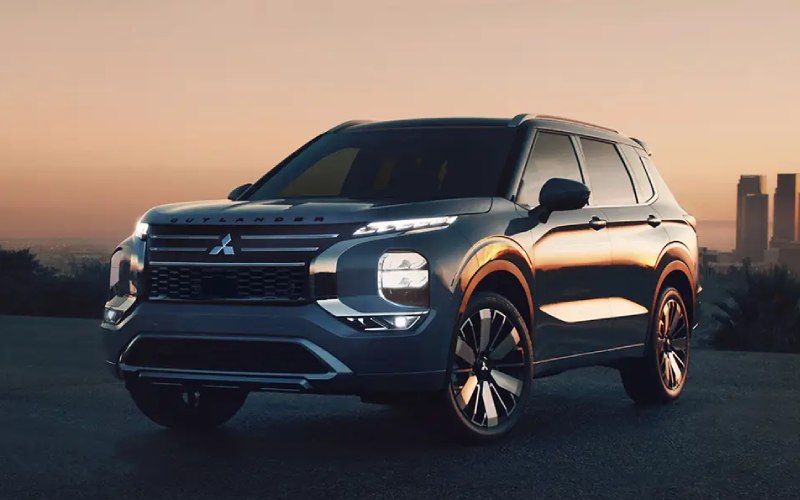
*Not actual model
LaFontaine Mitsubishi Ann Arbor – Which three-row SUV handles Michigan winters better near Livonia, MI — the 2026 Mitsubishi Outlander or the 2026 Kia Sorento?
When winter weather sets in, shoppers want to know which three-row SUV inspires more confidence on slush-covered commutes and icy side streets. Both models offer capable all-wheel drive systems and helpful driver-assistance features, but their approaches differ in ways that matter when temperatures drop and traction is at a premium. The 2026 Mitsubishi Outlander is tuned for predictability and calm responses, with a standard turbocharged engine that delivers torque smoothly. The 2026 Kia Sorento emphasizes variety across trims, including a rugged-leaning configuration with all-terrain tires. The right choice comes down to how each vehicle makes winter driving easier, not just what appears on a spec sheet.
Start with the control you feel from behind the wheel. Outlander’s chassis calibration focuses on ride stability and isolation, which helps the vehicle remain settled as the road surface changes. The steering is tuned for straightforward inputs, and when all-wheel drive is equipped, traction builds progressively so corner entries and exits feel natural. Sorento’s available all-wheel drive with Terrain Mode is robust, bolstered further in X-Pro trims, but the overall driving character is more dependent on which package you select. For families running school and work loops through heavy snow, consistent feedback through the wheel and pedals reinforces trust mile after mile.
Technology also provides real advantages. Outlander’s available MI-PILOT Assist™ brings lane-centering assistance to reduce steering fatigue on the highway, working in concert with adaptive cruise control to modulate speed smoothly as traffic ebbs and flows. Sorento counters with available Highway Driving Assist 2, which can assist with following distances and even support lane changes when properly engaged. Both systems are designed to assist, not replace driver attention, and both contribute to a more relaxed drive when weather reduces visibility and demands thoughtful pacing.
Cabin usability matters in winter. Outlander’s standard 12.3-inch touchscreen with wireless Apple CarPlay and Android Auto keeps gloves-on simplicity in mind with a clear interface and helpful physical controls. Sorento’s available dual panoramic displays look impressive and work well for drivers who value expansive screen real estate, though the larger setup requires the right trim. Either way, both cabins provide heated seat availability, smart defogging strategies, and effective climate control routines that make cold starts and late-evening returns more comfortable.
- Steering feel: Outlander emphasizes stable, predictable inputs that build driver confidence on slick surfaces.
- AWD tuning: Both provide available all-wheel drive, with Outlander focusing on progressive, easy-to-manage traction.
- Driver assist: MI-PILOT Assist™ and Highway Driving Assist 2 are designed to reduce fatigue during long winter drives.
- Cold-weather ergonomics: Intuitive controls and heated feature availability keep hands, seats, and visibility in a good place.
- Winter-ready packaging: Practical cargo solutions leave space for snow gear, roadside kits, and emergency supplies.
Decision time often hinges on consistency. If a vehicle delivers the same calm, predictable reactions regardless of plow timing or temperature swings, winter feels simpler. Outlander’s standard turbocharged torque and composed ride make it easy to roll into throttle on a dusting of snow or modulate inputs on partially cleared pavement. Sorento’s capability is clear, particularly in trims built for adventure, but owners should match the configuration to intended usage to realize its full potential.
Shoppers who want a guided, hands-on comparison are welcome to test both all-wheel drive systems back-to-back in similar conditions and routes. LaFontaine Mitsubishi Ann Arbor offers structured drives that emphasize steering feedback, brake modulation, and traction behavior at neighborhood speeds and on local highways. With our team serving Dearborn, Livonia, and Commerce Township, the goal is to provide clarity rooted in real roads, not just brochures. Bring questions about driver-assistance behavior in heavy snow, how each cabin warms up on short commutes, and which features minimize winter hassle for family schedules. The right choice will be the one that consistently reduces stress when the forecast is anything but certain.
Frequently Asked Questions:
Do I need all-wheel drive for Michigan winters?
All-wheel drive enhances traction when accelerating and can help maintain control on mixed surfaces. Combined with quality winter tires and smooth inputs, AWD adds meaningful confidence for frequent snow driving.
How do driver-assistance features help in snow?
Systems like lane-centering assistance and adaptive cruise can reduce workload on long drives with low visibility. These features are aids only, so attentive driving and appropriate speeds remain essential.
What should I test on a winter-focused drive?
Evaluate steering feedback on slick patches, throttle modulation from a slow roll, brake feel on packed snow, and how calmly the cabin remains during imperfect plow cycles.
Request more 2026 Mitsubishi Outlander information
Connect with us
