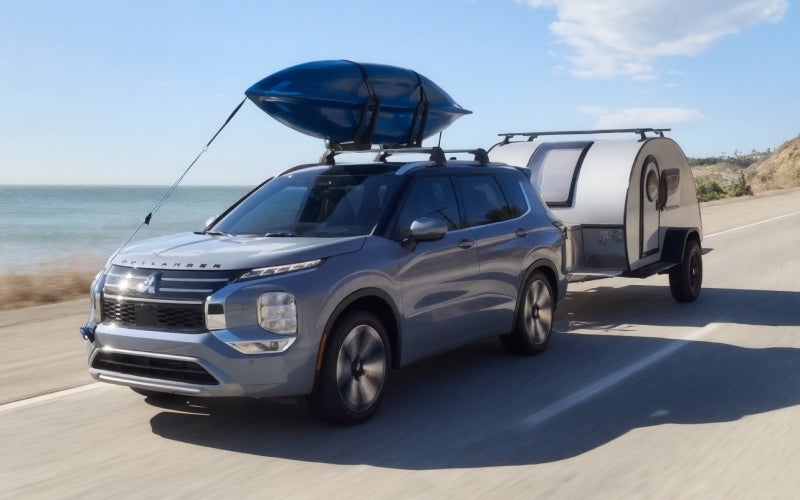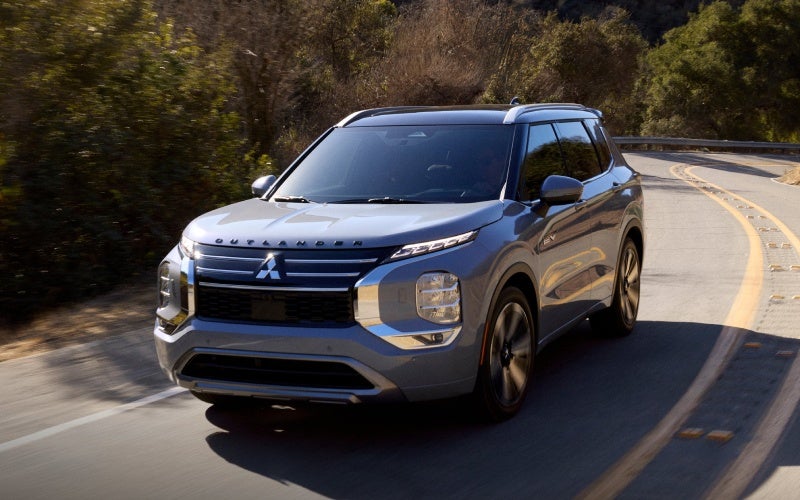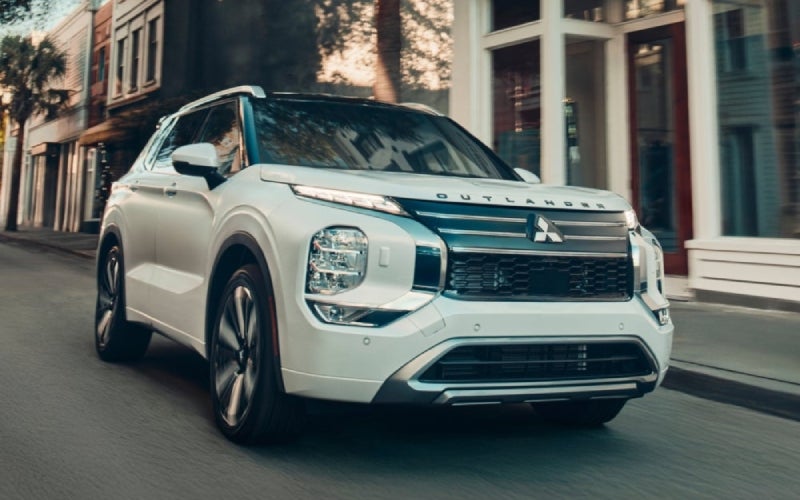

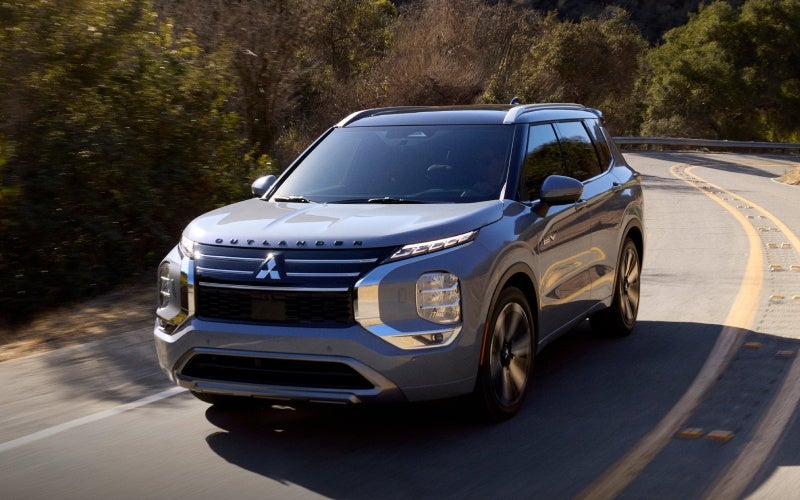
LaFontaine Mitsubishi Ann Arbor - Does the 2026 Mitsubishi Outlander Plug-in Hybrid fit three-row family driving around Ann Arbor, MI? The 2026 Mitsubishi Outlander Plug-in Hybrid gives families a practical way to move into electric-first driving while keeping the seating flexibility, traction confidence, and long-range convenience expected from a modern SUV. For drivers around Ann Arbor, MI, the question is not only whether a plug-in hybrid can reduce fuel use during daily routines. The bigger question is whether it can handle the full schedule of family life: school drop-offs, downtown errands, highway commutes, youth sports, grocery trips, visits to the University of Michigan area, and weekend plans across southeast Michigan. The 2026 Outlander Plug-in Hybrid is built to answer that question with seating for up to seven, 45 miles of electric-only driving, 420 miles of total range, and Twin Motor S-AWC (Super-All Wheel Control). That combination is rare because many electrified vehicles focus on efficiency while offering fewer seats or less all-weather capability. Why three-row seating matters in a plug-in hybrid SUV Three-row seating gives the Outlander Plug-in Hybrid an advantage for households that do not want to size up to a larger SUV but still need occasional extra passenger room. The cabin includes 7 Passenger Seating and a 40:20:40 Split Type 2nd Row Seat With Folding Function, which helps drivers adjust the interior for children, adults, sports bags, school projects, luggage, or everyday cargo. The third row is especially useful for carpool days and short trips with extra passengers, while the foldable second row supports more flexible loading when fewer people are along for the ride. Comfort also plays a major role in how well a family SUV works. Depending on trim, the 2026 Outlander Plug-in Hybrid offers Fabric Seating Surfaces, Synthetic Leather Seating Surfaces, Leather Appointed Seating Surfaces, and Semi-Aniline Premium Leather Seats (Brick Brown). Available amenities such as heated front seats, heated rear seats, ventilated front seats, an 8-way adjustable power driver seat, driver memory settings, and available driver and passenger massage seats elevate the SUV beyond simple transportation. It feels designed for real people spending real time inside the cabin. How electric driving fits daily family routines The Outlander Plug-in Hybrid is engineered around an electric-first feel. With up to 45 miles of electric-only driving when charged, many local daily routes can be completed using battery power before the gas engine becomes necessary. That is valuable for families making multiple short trips throughout the day because electric driving feels quiet, smooth, and responsive. The instant torque from the electric motors makes neighborhood acceleration and low-speed driving feel refined, while the hybrid system remains ready when plans change or the route gets longer. Charging flexibility is another important consideration. The 2026 model offers 120V/240V Charging Capability, so owners can think through a charging setup that matches home and driving habits. Properly equipped models also include DC Fast Charging Capability, and Mitsubishi lists a best charging time of 29 minutes with compatible equipment. The Drive Mode Selector adds more control, including Normal, EV, Save, and Charge modes. Save Mode can be especially useful because it preserves remaining battery power for later portions of a drive, such as lower-speed local roads after highway travel. What makes Twin Motor S-AWC useful for families? Twin Motor S-AWC (Super-All Wheel Control) is one of the defining technologies in the 2026 Outlander Plug-in Hybrid. It helps manage driving and braking forces at the wheels to support acceleration, cornering, and braking. For family drivers, that can mean a more composed feeling when turning onto busy roads, merging onto highways, or driving through construction zones and uneven pavement around the Ann Arbor area. The system works alongside technologies such as Active Yaw Control (AYC), Active Stability Control (ASC), and drive modes including Normal, Power, Eco, Tarmac, Gravel, Snow, and Mud on applicable trims. The goal is not to make the driver think about every mechanical detail. Instead, the SUV is designed to feel stable, predictable, and confident as conditions change. For parents or caregivers who want a vehicle that feels secure without being complicated, that confidence is a major benefit. Technology that helps the cabin work better Family vehicles need technology that is easy to use. The 12.3" Smartphone-link Display Audio with Navigation helps centralize navigation, media, and connectivity. Wireless Apple CarPlay® and Wireless Google Android Auto® help reduce cable clutter while allowing compatible smartphone access. Available features such as the 12.3" Full Digital Driver Display, Smartphone Wireless Charger, Multi-View Camera System, rear USB-C ports, and 1500W AC outlets in the rear seat and trunk areas make the Outlander Plug-in Hybrid feel ready for connected passengers and full schedules. The available Dynamic Sound Yamaha® Premium or Ultimate audio systems are also worth noting. Mitsubishi describes the Yamaha® system as the first in-car audio system of its kind in North America, and available Ultimate versions include 12 speakers. For families, premium audio is not just about music. It can make podcasts, navigation prompts, hands-free calls, and quiet evening drives feel more enjoyable. Safety and driver assistance for busy roads The 2026 Outlander Plug-in Hybrid includes a wide range of safety and driver-assistance technologies. Forward Collision Mitigation (FCM) with Pedestrian Detection can provide audible and visual alerts and apply braking if a collision is unavoidable. Blind Spot Warning (BSW) w/ Lane Change Assist (LCA), Rear Automatic Emergency Braking (Rear AEB), Rear Cross Traffic Alert (RCTA), Driver Attention Alert (DAA), Automatic High Beam (AHB), and Lane Departure Warning (LDW) help support awareness in common driving situations. Equipped trims add MI-PILOT Assist w/ Navi-link, which includes Adaptive Cruise Control (ACC) with Stop & Go, Lane Keep Assist (LKA), Lane Departure Prevention (LDP), and Traffic Sign Recognition (TSR). This technology can be especially helpful during highway driving or traffic-heavy commutes, though it remains important for the driver to stay attentive and in control at all times. For shoppers comparing family SUVs, these systems add reassurance without making the vehicle feel overly complex. What to compare during a test drive A thoughtful test drive can quickly show whether the Outlander Plug-in Hybrid is the right fit for your household. Instead of only focusing on acceleration, spend time checking the interior layout, child-seat access, third-row entry, cargo flexibility, and visibility. Seating access: Test how easily passengers can enter the second and third rows. Cargo flexibility: Fold the 40:20:40 second row and review how the space changes. Electric response: Drive gently from a stop to feel the smooth torque delivery. Charging questions: Ask how 120V/240V Charging Capability and available DC Fast Charging Capability fit your routine. Safety visibility: Try the Rearview Camera, available Multi-View Camera System, and available Digital Rearview Mirror w/ Rear Camera. Connectivity: Pair a compatible phone with Wireless Apple CarPlay® or Wireless Google Android Auto®. After checking those items, compare trims carefully. The ES includes strong core content, while SE, SE Tech Package, SEL, and SEL Premium Package models add various comfort, technology, charging, audio, seating, and convenience upgrades. The right choice depends on how much premium content your family will use every week. Frequently Asked Questions: Can the 2026 Mitsubishi Outlander Plug-in Hybrid handle daily family driving and longer trips? Yes. The SUV offers 45 miles of electric-only driving for many local routines and 420 miles of total range for longer travel. That makes it useful for families who want electric driving during the week without giving up hybrid flexibility for road trips or unexpected schedule changes. Is the third row useful in the 2026 Outlander Plug-in Hybrid? The third row adds valuable flexibility for occasional extra passengers, carpooling, and family outings. The 40:20:40 Split Type 2nd Row Seat With Folding Function also helps balance passenger seating with cargo needs. Which features are especially helpful for parents? Helpful family-focused features include available Multi-View Camera System, Rear Automatic Emergency Braking, Rear Cross Traffic Alert, rear USB-C ports, available rear door pull-up sunshades, available 3-Zone Automatic Climate Control, and available 1500W AC outlets. The 2026 Mitsubishi Outlander Plug-in Hybrid makes sense for families who want an SUV that feels efficient, flexible, and confident. It brings together electric-first driving, three-row seating, advanced safety, thoughtful technology, and the reassurance of Mitsubishi warranty coverage. For Ann Arbor-area shoppers who need one vehicle to handle commuting, family schedules, and longer drives, it deserves a serious look. Request more 2026 Mitsubishi Outlander Plug-In Hybrid information
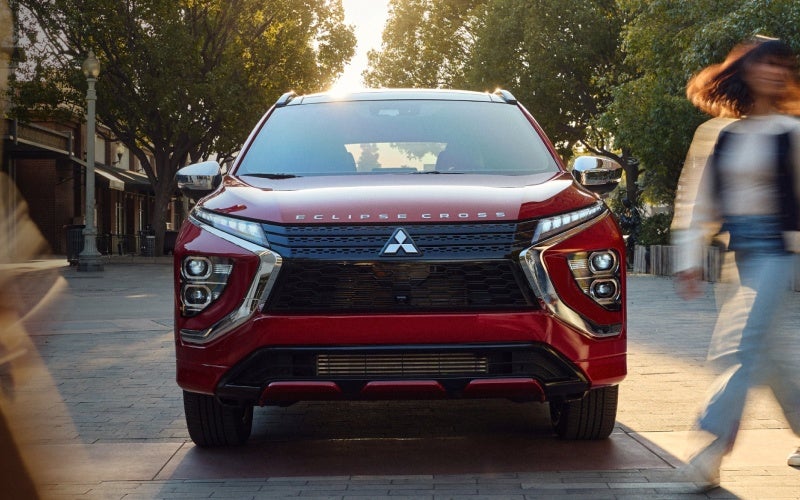
Does the 2026 Mitsubishi Eclipse Cross offer standard S-AWC confidence for Plymouth, MI drivers?
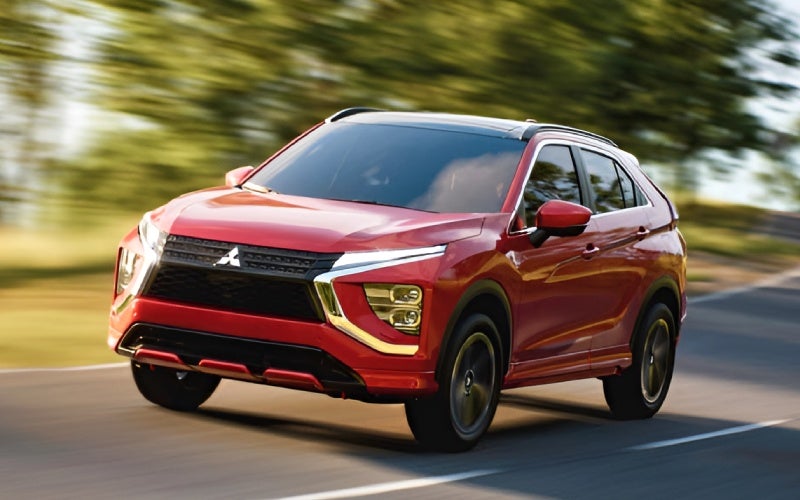
LaFontaine Mitsubishi Ann Arbor - Does the 2026 Mitsubishi Eclipse Cross offer standard S-AWC confidence for Plymouth, MI drivers? The 2026 Mitsubishi Eclipse Cross gives Plymouth, MI drivers a compact SUV with standard Super-All Wheel Control (S-AWC), a feature that deserves serious attention during the shopping process. Many compact crossovers reserve advanced all-wheel capability for select configurations, but the Eclipse Cross makes S-AWC part of the vehicle’s foundation. That matters for local drivers who travel through downtown Plymouth, commute toward Ann Arbor or Metro Detroit, navigate neighborhood streets, and want a confident feel without moving into a much larger SUV. S-AWC is one of the clearest reasons the Eclipse Cross stands apart in the compact SUV segment. It supports handling and stability by helping the vehicle respond with greater composure during common driving situations. Whether you are turning onto a busy road, moving through tight parking areas, or adjusting to changing pavement surfaces, the system contributes to a planted and predictable feel. Mitsubishi’s message for the 2026 Eclipse Cross is “Outstanding Comes Standard,” and standard S-AWC is a strong example of that philosophy. Why standard S-AWC matters for daily driving A compact SUV should feel easy to drive, not oversized or demanding. The Eclipse Cross balances that city-friendly size with the added reassurance of S-AWC. For Plymouth drivers, that can be especially useful because daily routes often blend residential streets, higher-speed roads, shopping areas, and freeway ramps. A system designed to support traction and stability can make the vehicle feel more composed as traffic patterns change. It is also important to think about how often all-wheel confidence becomes valuable in ordinary driving. Drivers do not need an extreme situation to appreciate stable handling. A quick lane change, a curve on uneven pavement, or a turn from a stop can all reveal how a vehicle manages traction and body control. The Eclipse Cross is tuned for everyday comfort, and S-AWC complements that character by giving the SUV a more secure feel. What supports S-AWC in the 2026 Eclipse Cross? The confidence story is not limited to one system. Mitsubishi also equips the Eclipse Cross with standard Active Stability Control (ASC), Forward Collision Mitigation (FCM) with Pedestrian Detection, Hill Start Assist (HSA), Lane Departure Warning (LDW), LED Daytime Running Lights, and LED Tail Lights on the ES S-AWC trim. This combination creates a well-rounded compact SUV that focuses on traction, visibility, and awareness. Super-All Wheel Control (S-AWC): Standard capability designed to support confident handling and stability. Active Stability Control (ASC): Standard technology that helps reinforce vehicle control. Forward Collision Mitigation (FCM) with Pedestrian Detection: Standard driver-assistance support for added awareness ahead. Lane Departure Warning (LDW): Standard system that helps alert the driver if the vehicle begins to drift from a lane. Hill Start Assist (HSA): Standard support that can help during starts on inclines. Those standard features are worth comparing while shopping because the Eclipse Cross does not treat core confidence as an afterthought. From the first trim, it includes technology that supports the driver during routine travel. Upper trims then build on that foundation with additional comfort, convenience, and available driver-assistance features. Which trims add more convenience around S-AWC? Every 2026 Eclipse Cross trim uses S-AWC, so the decision becomes more about comfort, style, and technology. ES S-AWC covers the essentials, while SE S-AWC adds features such as an 8-Way Power Adjustable Driver Seat, Automatic Headlights, FAST-Key Entry System, Push Button Start, Power Folding Side Mirrors, Rear USB Port, Synthetic Suede Seating Surfaces, and Mitsubishi Connect with Safeguard And Remote Services And 24-Month Trial (Enrollment Required). SE S-AWC also offers Blind Spot Warning (BSW) with Lane Change Assist (LCA) and Rear Cross Traffic Alert (RCTA), helpful tools for lane changes and parking-lot visibility. BLACK EDITION S-AWC brings a more expressive look with Black Door Handle Trim, Black Roof Rails, Hood Badge, Rear Bumper Step Protector, and Sport Pedals. SEL S-AWC and SEL TOURING S-AWC add a premium feel with features such as Heated Steering Wheel, Leather Appointed Seating Surfaces, 8-Way Power Adjustable Passenger Seat, Multi-View Camera System, Paddle Shifters, Rear USB Port, and Handsfree Power Tailgate. Each trim keeps the same standard S-AWC confidence while offering a different balance of convenience and personality. How should Plymouth shoppers test S-AWC? A test drive is the best way to understand how S-AWC contributes to the Eclipse Cross driving experience. Start with low-speed maneuvering in a parking area, then move to local streets where you can feel steering response, brake modulation, seating position, and visibility. If possible, include a section with curves, lane changes, and a highway merge so you can evaluate how naturally the SUV responds. Begin with seating position: Adjust the driver seat, mirrors, and steering wheel before judging visibility or comfort. Drive through a parking area: Evaluate turning feel, low-speed control, and overall size. Use a normal commute-style route: Notice how S-AWC, steering, and ride comfort work together. Try a highway merge: Pay attention to power delivery and cabin quietness at cruising speed. Test available technology: Ask about Mitsubishi Connect, Multi-View Camera System, and Handsfree Power Tailgate if equipped. After the drive, compare impressions across trims rather than focusing only on the first vehicle sampled. The core S-AWC feel remains standard, but the cabin experience can change based on seating surfaces, convenience features, and technology. Our Ann Arbor Mitsubishi team can help you identify which trim best fits commuting, family use, cargo needs, and comfort preferences. Frequently Asked Questions: Is S-AWC standard on every 2026 Mitsubishi Eclipse Cross? Yes. Super-All Wheel Control (S-AWC) is standard across the 2026 Eclipse Cross lineup. That makes the SUV appealing for shoppers who want added traction confidence without needing to select a specific upper trim just to access all-wheel control. Does S-AWC make the Eclipse Cross a good fit for Plymouth, MI driving? Yes, S-AWC fits the variety of driving that Plymouth-area shoppers often encounter. The vehicle feels appropriately sized for local streets and parking areas, while S-AWC supports stability and control during changing traffic flow, turns, and mixed road surfaces. Which 2026 Eclipse Cross trim should I consider if I want more technology? SE S-AWC is a strong place to start because it adds conveniences such as FAST-Key Entry System, Push Button Start, Automatic Headlights, Rear USB Port, Mitsubishi Connect with Safeguard And Remote Services And 24-Month Trial (Enrollment Required), and available driver-assistance upgrades. SEL S-AWC and SEL TOURING S-AWC add more premium comfort and visibility features. What should I ask during a test drive? Ask how S-AWC works, which safety systems are standard or available on the trim you are driving, how Mitsubishi Connect enrollment works, and which trims include features such as Handsfree Power Tailgate, Multi-View Camera System, Synthetic Suede Seating Surfaces, or Leather Appointed Seating Surfaces. The 2026 Mitsubishi Eclipse Cross is worth considering because it puts standard S-AWC at the center of the driving experience. For Plymouth, MI shoppers who want compact size, everyday comfort, helpful safety technology, and a confident feel, this SUV makes a strong case. The next step is simple: compare trims, take a thoughtful test drive, and choose the Eclipse Cross that fits your daily routine best. Request more 2026 Mitsubishi Eclipse Cross information