LaFontaine Mitsubishi - Ann Arbor

Blog / Mitsubishi Eclipse Sportback EV

How Would Home Charging Work for a 2027 Mitsubishi Eclipse Sportback EV in Ann Arbor, MI?

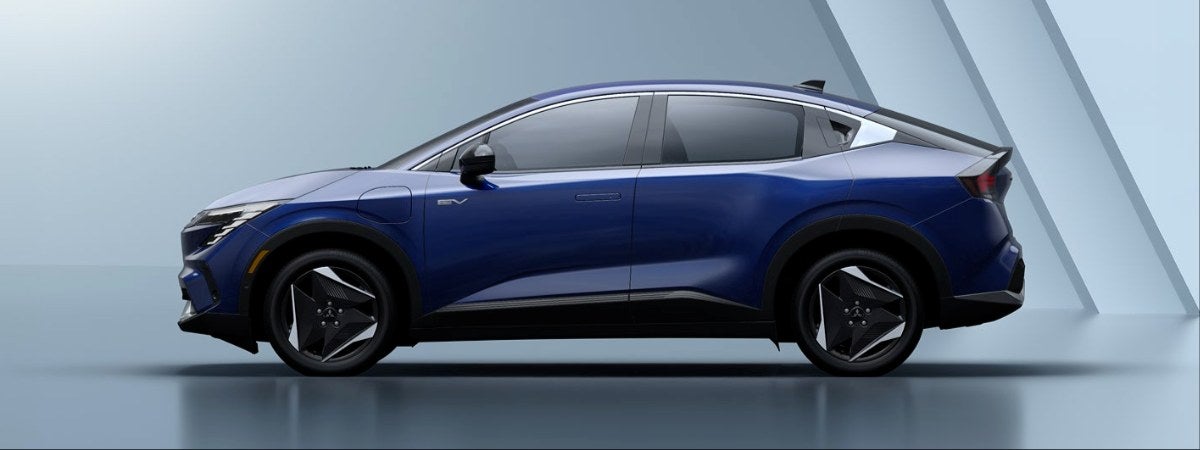
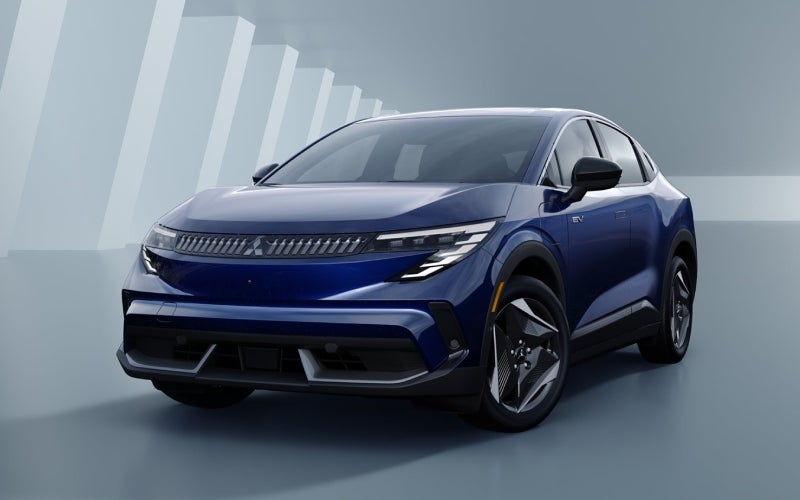
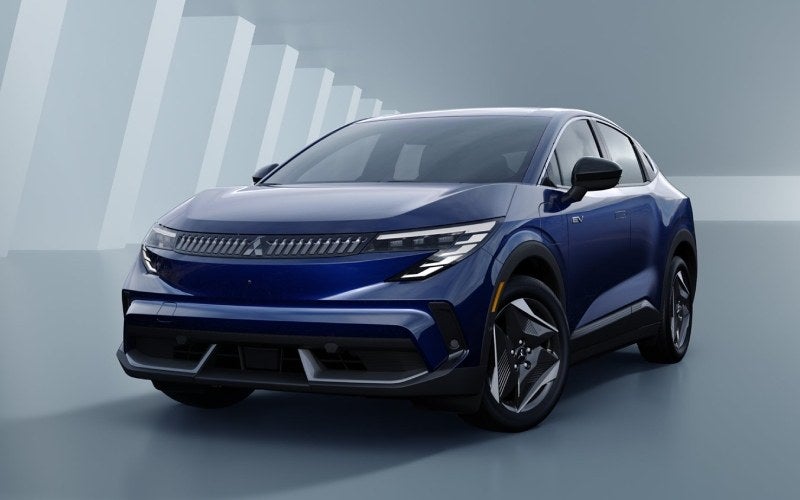
2027mitsubishieclipsesportbackev-exterior-01
How Would Home Charging Work for a 2027 Mitsubishi Eclipse Sportback EV in Ann Arbor, MI?

LaFontaine Mitsubishi Ann Arbor - How Would Home Charging Work for a 2027 Mitsubishi Eclipse Sportback EV in Ann Arbor, MI?

Charging the 2027 Mitsubishi Eclipse Sportback EV at home can be a simple part of everyday life in Ann Arbor, making it an appealing option for drivers who want an electric SUV without the hassle of a complicated charging routine.

For many local drivers, the real question is not simply whether an EV can be charged at home. It is whether the setup works with a driveway in Scio Township, a detached garage near Burns Park, an apartment lot off Washtenaw Avenue, or a shared parking space close to downtown Ann Arbor. The 2027 Mitsubishi Eclipse Sportback EV is built with flexible charging options, including Level 1, Level 2, and Level 3 charging access through the Tesla® Supercharger network, giving Ann Arbor shoppers more than one way to keep the battery ready for commuting, errands, and longer drives.

Why home charging matters for Ann Arbor EV shoppers

Ann Arbor is a strong fit for EV ownership because many daily driving patterns are predictable. A commute to the University of Michigan campus, Michigan Medicine, Briarwood Mall, Domino's Farms, or a workplace in Ypsilanti often includes regular routes, consistent mileage, and time parked overnight. That makes home charging especially useful. Instead of planning every stop around a public charger, a driver can plug in at home and start the next day with usable range already restored.

The 2027 Mitsubishi Eclipse Sportback EV adds confidence by offering a projected 282 miles of driving range, based on referenced evaluation material, along with a 75-kWh battery pack and efficient electric performance. Range will always vary depending on driving style, outside temperature, road speed, cargo, and accessory use, but the key ownership benefit is simple: many Ann Arbor drivers may not need to charge every day. Home charging becomes less about urgency and more about routine.

What type of home charger makes the most sense?

The most practical home setup for many Eclipse Sportback EV owners will be Level 2 charging on a 240-volt circuit. Level 2 charging is commonly used for overnight EV charging because it restores energy much faster than a standard household outlet. Referenced specifications note that the onboard charger is capable of 7.2 kilowatts and can charge the battery from 20 to 80 percent in roughly 6.5 hours under suitable conditions. For many households, that lines up well with parking overnight after work or plugging in after evening activities around town.

Level 1 charging uses a standard 120-volt outlet. It is slower, but it can still be useful for shoppers with lighter daily mileage, occasional charging needs, or temporary setups. The Eclipse Sportback EV is referenced with a standard portable charging cord with pigtails for both 240-volt and 120-volt outlets, which can help owners adapt to different charging situations. For example, a driver who usually covers modest mileage between Ann Arbor, Saline, and Ypsilanti may find Level 1 helpful for topping off, while a driver with frequent longer trips may prefer a dedicated Level 2 charger.

  • Level 1 home charging: Uses a standard 120-volt household outlet and works best for gradual charging or lower-mileage routines.
  • Level 2 home charging: Uses 240-volt power and is the preferred home solution for faster overnight charging.
  • Level 3 DC fast charging: Supports road-trip and quick-charge needs away from home, including access through the Tesla® Supercharger network.
  • Portable charging cord: Adds flexibility with referenced 120-volt and 240-volt pigtail compatibility.

Before installing a Level 2 charger, homeowners should consult a qualified electrician to review panel capacity, outlet location, permitting needs, and outdoor-rated equipment if the vehicle will be parked outside. LaFontaine Mitsubishi Ann Arbor can help shoppers understand the vehicle side of charging, while a licensed electrical professional can determine what is appropriate for the home.

What if you live in an apartment or condo in Ann Arbor?

Not every Ann Arbor EV shopper has a private garage. Many drivers live in apartments, condos, townhomes, or student-adjacent housing where charging depends on property rules and parking access. In that situation, the best first step is to ask the property manager or homeowners association about existing EV charging stations, assigned parking policies, and whether a Level 2 charger can be installed at a dedicated space.

If home installation is not realistic, the Eclipse Sportback EV still offers options. Public Level 2 charging can be useful during workdays, grocery trips, gym visits, or downtown plans. DC fast charging is better suited for quick energy stops before a longer drive or while traveling outside the Ann Arbor area. Because the 2027 Mitsubishi Eclipse Sportback EV supports Level 3 access through the Tesla® Supercharger network, drivers gain access to the largest fast-charging network in North America, according to Mitsubishi Motors reference material.

For apartment and condo shoppers, the ideal EV routine may blend charging sources. A driver might use a workplace charger during the week, a public Level 2 charger during errands, and DC fast charging for occasional longer drives. The important part is matching the charging plan to real driving habits rather than assuming every EV owner needs the same setup.

How fast charging supports trips beyond Ann Arbor

Home charging handles daily life, but regional driving is part of the ownership picture in southeast Michigan. Whether the route is I-94 toward Detroit Metro Airport, M-14 toward Plymouth and Livonia, US-23 toward Brighton, or a weekend drive across the state, DC fast charging helps extend the Eclipse Sportback EV's usefulness beyond the daily commute.

Referenced details state that the Eclipse Sportback EV uses a NACS port on the right-front fender for DC fast charging, with a maximum rate around 150 kilowatts, and can charge from 10 to 80 percent in about 35 minutes under ideal circumstances. A CCS-to-NACS adapter is also referenced with the vehicle. Another helpful feature is battery preconditioning: when a DC fast charger is entered into the navigation as a destination, the vehicle can prepare the battery for faster charging. Drivers can also tell the vehicle to precondition if the navigation system is not being used.

That combination matters because fast charging is not only about peak charging speed. Charging performance depends on battery temperature, charger output, state of charge, and conditions at the station. Preconditioning helps the vehicle arrive in a more favorable state for charging, which can reduce waiting and make trip planning feel more predictable.

A practical ownership routine for local drivers

For most Ann Arbor shoppers, the easiest EV routine starts with understanding weekly mileage. A driver with a round-trip commute from the west side of Ann Arbor to downtown, plus errands around Jackson Road, Stadium Boulevard, and Packard Street, may need far less charging than expected. A driver who frequently travels between Ann Arbor, Troy, Brighton, and Lansing may rely more heavily on Level 2 charging at home and occasional DC fast charging.

  1. Review weekly mileage: Estimate your normal commute, errands, school drop-offs, and weekend driving.
  2. Check your parking setup: Identify whether you have a private garage, driveway, assigned space, or shared lot.
  3. Compare Level 1 and Level 2 needs: Decide whether slower outlet charging is enough or a 240-volt setup makes more sense.
  4. Map backup charging: Look at public Level 2 and DC fast-charging options near work, shopping, and common travel routes.
  5. Ask questions before buying: Work with LaFontaine Mitsubishi Ann Arbor to understand charging ports, cords, range expectations, and service support.

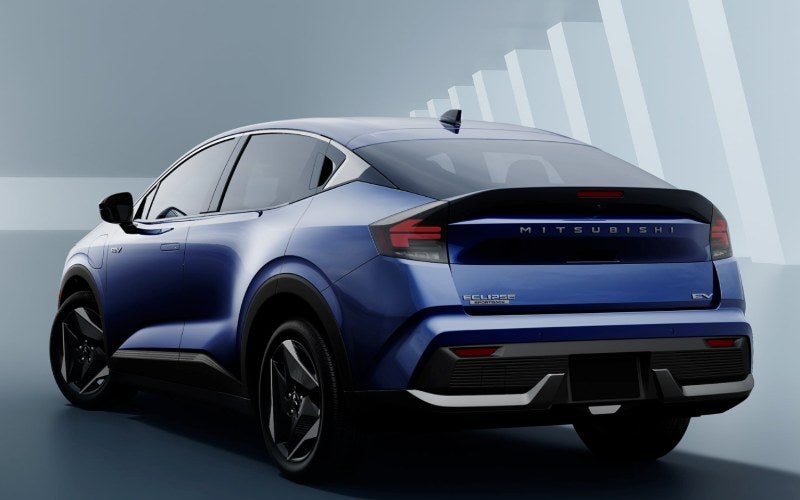
The Eclipse Sportback EV is also designed to feel approachable as a daily vehicle, not just an electric technology statement. The sporty, subcompact electric SUV features unique fascias, distinct front and rear lights, striking alloy wheels, and Mitsubishi's iconic Triple Diamond branding. Inside, referenced content highlights quiet operation, modern displays, Apple CarPlay, Android Auto, and a practical cargo area with rear seats that fold for added flexibility. For Ann Arbor drivers balancing commuting, campus visits, grocery runs, and weekend plans, that blend of EV efficiency and everyday utility is the point.

How LaFontaine Mitsubishi Ann Arbor can help

LaFontaine Mitsubishi Ann Arbor is located at 3500 Jackson Road Suite 200 in Ann Arbor, making our dealership convenient for shoppers from Ann Arbor, Ypsilanti, Troy, Brighton, and nearby communities. We take a personalized approach to the automotive experience, helping drivers compare models, review financing options, value a trade-in, and understand the ownership details that matter after the test drive.

EV ownership questions are often practical: Where will I charge? How often will I plug in? What happens if I move? Can I take longer trips? Our team can walk through those questions with your driving routine in mind. We also offer Mitsubishi service and repair with Mitsubishi trained technicians, genuine parts support, and online scheduling to help keep ownership convenient over time.

Frequently Asked Questions:

Can I charge the 2027 Mitsubishi Eclipse Sportback EV at home in Ann Arbor, MI?

Yes. The Eclipse Sportback EV supports both Level 1 and Level 2 charging. Level 1 uses a 120-volt household outlet, while Level 2 uses 240-volt power and is typically the better choice for faster overnight charging at home.

Is Level 2 charging worth installing for the Eclipse Sportback EV?

For many Ann Arbor drivers, yes. Referenced specifications indicate the onboard charger can handle 7.2 kilowatts and charge from 20 to 80 percent in roughly 6.5 hours under suitable conditions. That makes Level 2 charging a convenient option for overnight use.

What if I cannot install a charger where I live?

Drivers in apartments, condos, or shared parking situations can look into workplace charging, public Level 2 charging, and DC fast charging. The Eclipse Sportback EV also supports Level 3 access through the Tesla® Supercharger network, adding flexibility for drivers without private home charging.

Can LaFontaine Mitsubishi Ann Arbor help me decide if an EV fits my routine?

Yes. We can help you review your commute, charging expectations, financing options, and ownership questions so you can decide whether the 2027 Mitsubishi Eclipse Sportback EV is a smart fit for life around Ann Arbor, MI.
Request more 2027 Mitsubishi Eclipse Sportback EV information

Posted in:

Related Posts

2027mitsubishieclipsesportbackev-exterior-03

Can the 2027 Mitsubishi Eclipse Sportback EV Make Charging Easier for Dexter, MI Drivers?

LaFontaine Mitsubishi Ann Arbor - Can the 2027 Mitsubishi Eclipse Sportback EV Make Charging Easier for Dexter, MI Drivers? Electric driving becomes much more appealing when charging feels simple, flexible, and predictable, and the 2027 Mitsubishi Eclipse Sportback EV is designed to support that kind of confidence. For drivers around Dexter, MI, daily life often includes a blend of quiet neighborhood streets, quick errands along Main Street, drives toward Ann Arbor, and regional travel across southeast Michigan. A vehicle with multiple charging options can fit that routine naturally, especially for shoppers considering an EV for the first time. The Eclipse Sportback EV gives Mitsubishi shoppers a fully electric subcompact SUV with charging access that goes beyond a single solution. Mitsubishi states that the vehicle supports Level 1 and Level 2 charging, plus Level 3 charging through the Tesla® Supercharger network, the largest fast-charging network in North America. That combination matters because no two drivers charge in exactly the same way. Some drivers prefer charging at home overnight. Others rely on public Level 2 stations near work, shopping, restaurants, or community destinations. For longer trips, DC fast charging helps reduce downtime and makes route planning easier. Why Charging Flexibility Matters Charging flexibility is one of the most important factors for in-market EV shoppers because it shapes the entire ownership experience. A vehicle can have impressive performance and strong range, but if charging feels limited or inconvenient, confidence can suffer. The 2027 Mitsubishi Eclipse Sportback EV addresses this with support for common charging scenarios, giving drivers multiple ways to keep the battery ready. Level 1 charging: This option can use a standard household-style outlet and may be useful for light daily driving or occasional top-offs. Level 2 charging: This is a preferred home or public charging solution for many EV owners because it replenishes the battery more quickly than Level 1. Level 3 DC fast charging: This supports faster charging during longer drives or busy travel days, including access through the Tesla® Supercharger network. For Dexter-area drivers, that flexibility can help with different weekly patterns. A commuter who drives to Ann Arbor several days per week may rely primarily on home Level 2 charging. A driver who makes occasional trips toward Detroit Metro Airport, Lansing, or northern Michigan may place more value on DC fast-charging access. Another shopper may start with Level 1 charging and later decide to install a Level 2 home setup. The Eclipse Sportback EV supports that progression without forcing a single routine. How the Split Charge-Port Setup Helps Provided content describes a split charge-port strategy for the Eclipse Sportback EV. A NACS port on the right-front fender supports DC fast charging, while a J-1772 port on the left-front fender supports Level 2 charging. This layout gives each charging type a dedicated connection point and helps make the vehicle easier to understand during daily use. For Level 2 charging on 240-volt AC power, the onboard charger is noted as capable of 7.2 kilowatts. Provided content also states that charging from 20 to 80 percent can take roughly 6.5 hours under appropriate conditions. That makes overnight charging practical for many households. For DC fast charging, content notes a maximum of around 150 kilowatts and a 10 to 80 percent charging time of about 35 minutes under ideal circumstances. Charging speed can vary based on battery temperature, charger capability, state of charge, and other conditions, but those figures help shoppers understand the vehicle's intended convenience. Range and Charging Work Together The Eclipse Sportback EV is also supported by a projected 282-mile driving range, which helps reduce how often many drivers need to charge. Range is especially important for shoppers comparing an EV with a gas-powered SUV because daily charging habits can be different from stopping at a fuel station. Instead of waiting until the battery is nearly empty, many EV owners plug in when convenient, much like charging a phone. For a Dexter, MI driver, a projected 282-mile range can cover many normal routines with room to spare. Trips to Ann Arbor, Chelsea, Saline, Brighton, or Ypsilanti may not require charging away from home at all, depending on starting battery level and driving conditions. Longer drives become easier when the navigation system and charging support are used together. Provided content notes that entering a DC fast charger into the navigation as a destination can automatically precondition the battery pack for faster charging. If navigation is not used, drivers can tell the vehicle to precondition itself. That is a helpful detail because battery preparation can improve charging performance. Helpful Questions to Ask Before Going Electric Before choosing an EV, shoppers should think through real driving patterns rather than focus only on maximum range. A thoughtful charging plan can make the transition from gasoline to electric driving feel smooth from the first week. The following considerations can help organize the decision. Daily mileage: Estimate average weekday driving and compare that number with the projected range. Home charging access: Decide whether a standard outlet is enough or if a Level 2 charging setup makes more sense. Public charging locations: Review charging stations near work, schools, shopping areas, and common travel routes. Fast-charging needs: Consider how often longer regional drives happen and how much DC fast charging matters. Charging habits: Think about whether overnight charging, occasional top-offs, or planned fast-charging stops fit best. These questions are practical because EV ownership is often less about one big charging stop and more about building a comfortable rhythm. Many drivers charge at home most of the time and use public charging only as needed. Others without home charging may rely on workplace or public Level 2 stations. The Eclipse Sportback EV's mix of Level 1, Level 2, and Level 3 support gives shoppers options as charging needs evolve. Technology That Supports the EV Routine Charging confidence is not only about ports and plug types. The cabin technology also matters because drivers need clear information. Provided content notes a 14.3-inch digital instrument cluster and a second 14.3-inch touchscreen display with navigation and control functions. Standard Android Auto and Apple CarPlay help keep familiar apps and phone functions accessible. A clear digital layout can make it easier to monitor battery status, review navigation, and stay connected during the drive. The Eclipse Sportback EV also includes comfort features that support daily use, including heated front and rear seats and a heated steering wheel. A heat pump is noted for warming or cooling the cabin, battery pack, and drive motor, which can help improve efficiency compared with less specialized climate approaches. For Michigan drivers, efficient cabin comfort is a meaningful EV benefit because climate control can influence energy use. Frequently Asked Questions: Can I charge the 2027 Mitsubishi Eclipse Sportback EV at home? Yes. Mitsubishi states that the Eclipse Sportback EV supports Level 1 and Level 2 charging. Level 1 can work from a standard household-style outlet, while Level 2 charging on 240-volt AC power is typically preferred for faster home charging. Provided content also notes a portable charging cord with pigtails for both 240- and 120-volt outlets. Does the 2027 Mitsubishi Eclipse Sportback EV work with DC fast charging? Yes. The Eclipse Sportback EV supports Level 3 charging through the Tesla® Supercharger network. Provided content notes a NACS port for DC fast charging, with charging from 10 to 80 percent in approximately 35 minutes under ideal circumstances. Is the projected 282-mile range enough for Dexter, MI drivers? For many local routines, the projected 282-mile range should be practical. Daily mileage, speed, temperature, cargo load, and charging habits can affect actual range, so shoppers should compare the projection with normal commute and travel patterns. What should I review during a test drive? Review the displays, regenerative braking levels, e-Step function, charge-port locations, seating comfort, visibility, cargo space, and maneuverability. Asking for a charging walkthrough can also make EV ownership easier to understand. The 2027 Mitsubishi Eclipse Sportback EV gives Dexter-area shoppers a strong reason to consider going electric because it combines projected range with charging flexibility. Level 1, Level 2, and Level 3 support allow the vehicle to fit different lifestyles, while access to the Tesla® Supercharger network adds confidence for longer travel. Add in modern digital displays, responsive EV performance, a quiet cabin, and the practical size of a subcompact sportback SUV, and the Eclipse Sportback EV becomes a smart option for drivers ready to make electric driving feel more natural. Request more 2027 Mitsubishi Eclipse Sportback EV information

2027mitsubishieclipsesportbackev-exterior-02

Is the 2027 Mitsubishi Eclipse Sportback EV easy to charge around Plymouth, MI?

LaFontaine Mitsubishi Ann Arbor - Is the 2027 Mitsubishi Eclipse Sportback EV easy to charge around Plymouth, MI? Charging confidence is a major part of shopping for any electric vehicle, and the 2027 Mitsubishi Eclipse Sportback EV is designed to make that transition feel practical for drivers around Plymouth, MI. With access to Level 1 and Level 2 charging, plus Level 3 charging through the Tesla® Supercharger network, this new Mitsubishi EV gives shoppers multiple ways to keep moving without overcomplicating the ownership experience. For many in-market shoppers, the real question is not only whether an EV can charge quickly. The better question is how charging fits into a normal week. Plymouth-area drivers may commute toward Ann Arbor, Livonia, Canton, or Detroit, run errands along busy retail corridors, and make weekend trips throughout southeast Michigan. The Eclipse Sportback EV supports that variety by giving you charging flexibility at home, at public stations, and through compatible fast-charging locations when a quicker stop makes sense. Understanding the three charging levels Mitsubishi states that the Eclipse Sportback EV offers Level 1, Level 2, and Level 3 charging access. Each level serves a different purpose, and understanding the difference can help you decide how an EV would fit your life. Level 1 charging is the slowest option and can be useful when convenience matters more than speed. Level 2 charging is often the daily EV ownership sweet spot, especially for home charging or public charging during work, shopping, dining, or appointments. Level 3 charging is designed for faster charging during longer drives or busier days. The big advantage is flexibility. You do not need to rely on a single charging method for every situation. A driver can use Level 2 charging for routine top-offs and save fast charging for road trips or days with more driving than usual. This layered approach helps make the Eclipse Sportback EV feel more like a normal part of your routine instead of a major lifestyle adjustment. Why Tesla® Supercharger network access matters Mitsubishi notes that the Eclipse Sportback EV includes Level 3 charging access through the Tesla® Supercharger network, identified by Mitsubishi as the largest fast-charging network in North America. For shoppers comparing EVs, this detail is important because public fast-charging access can affect long-distance confidence. More compatible fast-charging locations can make route planning easier and reduce uncertainty when traveling beyond your usual local loop. Provided information also references a NACS port for DC fast charging and a J-1772 port for Level 2 charging. That split charge-port strategy helps separate fast-charging needs from routine AC charging. In everyday terms, it means the Eclipse Sportback EV is set up for both public fast-charging convenience and common Level 2 charging use. For a Plymouth-area driver, that can be useful when balancing local driving, metro Detroit travel, and occasional longer trips across Michigan. Home charging and daily convenience Most EV shoppers eventually ask whether home charging is necessary. It is not always required, but it can make ownership easier. Level 2 home charging can allow you to plug in during the evening and start the next day with a more comfortable state of charge. That is especially helpful for drivers with predictable routines, such as commuting during the week and completing errands on the way home. The Eclipse Sportback EV is also practical for shoppers who plan to combine home and public charging. Public Level 2 chargers can work well during longer stops, while DC fast charging can help during longer travel days. The key is to think about charging the way you already think about your schedule. If your vehicle spends several hours parked at home, work, or common destinations, charging can often happen during time that would have been spent parked anyway. Range confidence for southeast Michigan driving Available details reference a projected 282 miles of range for the 2027 Mitsubishi Eclipse Sportback EV. Actual range depends on driving speed, route, temperature, accessory use, passenger load, and driving style, but that projected figure is meaningful for daily use. Many Plymouth-area routines include a mix of neighborhood roads, highways, school drop-offs, office commutes, and shopping trips. A projected range of this level helps reduce the need to charge after every short drive. Range confidence is not only about the maximum number. It is also about how the vehicle helps you manage energy. Provided information references regenerative braking levels from B1 to B5, along with an e-Step function that increases regenerative feel. Regenerative braking can help recover energy when slowing down, and selectable settings allow the driver to tailor the vehicle’s response. For everyday traffic, this can make the EV feel smooth, responsive, and efficient. What to ask before choosing an EV Before choosing any electric vehicle, it helps to map your real driving habits. A shopper with a short daily commute may have different charging needs than a driver who regularly travels across several counties. The Eclipse Sportback EV gives you a strong foundation, but your ownership experience will be best when charging options match your routine. Home charging access: Determine whether Level 2 charging can be installed where you park most often. Daily mileage: Compare your normal commute and errands with the projected 282-mile range. Public charging locations: Look at Level 2 and DC fast-charging options near work, shopping, and frequent travel routes. Longer trips: Consider how Tesla® Supercharger network access may support regional travel. Driving feel: Test the regenerative braking settings to see which level feels most natural. These questions do not make EV ownership complicated; instead, the answers help you shop with confidence. Once you understand where you drive and where you can charge, the Eclipse Sportback EV becomes easier to evaluate against your daily needs. Technology that supports charging confidence Provided information references a 14.3-inch digital instrument cluster and a 14.3-inch center touchscreen with navigation and control functions. Navigation can be especially useful for EV drivers because route planning and charging stops often work together. Available reporting also notes that entering a DC fast charger into navigation as a destination can automatically precondition the battery pack for faster charging under ideal circumstances. The cabin technology also supports a comfortable everyday experience. Android Auto and Apple CarPlay are standard, and the cabin includes manually adjustable vents and a volume knob for quick control. Heated front and rear seats, a heated steering wheel, and an eight-way-adjustable power driver’s seat add to daily comfort. Charging confidence matters, but the vehicle also needs to feel enjoyable every time you get inside. Frequently Asked Questions: Can the 2027 Mitsubishi Eclipse Sportback EV use fast charging? Yes. Mitsubishi states that the Eclipse Sportback EV supports Level 3 charging through the Tesla® Supercharger network. Fast charging is most useful on longer drives or days when you need to add range more quickly than Level 1 or Level 2 charging can provide. Is Level 2 charging a good option for daily driving? Level 2 charging is often a very practical option for routine EV ownership. It can be used at home when properly installed, as well as at many public charging locations. For many drivers, Level 2 charging covers most normal weekly charging needs. Does the Eclipse Sportback EV make sense without home charging? It can, depending on your routine and local charging access. If you have dependable charging at work, near frequent destinations, or along normal routes, EV ownership may still be convenient. Home charging simply adds another layer of ease. What makes charging easier for new EV shoppers? A clear routine helps. Know your weekly mileage, identify convenient charging locations, understand the difference between Level 1, Level 2, and Level 3 charging, and take time during a test drive to review the vehicle’s charging displays and navigation tools. The 2027 Mitsubishi Eclipse Sportback EV is built to help Plymouth-area shoppers feel more comfortable with electric driving. Its charging options, projected range, digital displays, and approachable size make it a strong fit for daily life across southeast Michigan. If you are comparing EVs, focus on how the Eclipse Sportback EV supports your actual week, from commuting and errands to longer drives. Our team can help you review charging options, discuss available equipment, compare features, and prepare for an EV test drive. When you understand how the vehicle charges and how it fits your routine, the move to electric can feel less like a leap and more like a smart next step. Request more 2027 Mitsubishi Eclipse Sportback EV information

2027mitsubishieclipsesportbackev-header-01

What to Know About the 2027 Mitsubishi Eclipse Sportback EV

LaFontaine Mitsubishi Ann Arbor - What to Know About the 2027 Mitsubishi Eclipse Sportback EV The 2027 Mitsubishi Eclipse Sportback EV represents an exciting new chapter for drivers who want the confidence of an all-electric vehicle with the everyday practicality of a compact SUV-inspired design. At LaFontaine Mitsubishi Ann Arbor, we are watching this model closely because it brings together several qualities modern EV shoppers value most: useful driving range, flexible charging access, distinctive styling, intuitive technology, and a brand identity rooted in Mitsubishi's adventurous spirit. For local shoppers near Ypsilanti, Dexter, and Wayne, the Eclipse Sportback EV is especially worth understanding because it adds a fresh option to the growing electric vehicle conversation without asking drivers to give up the versatility expected from a modern crossover. The Eclipse name has long carried a sporty reputation, and the 2027 Eclipse Sportback EV gives that name a new electric direction. Rather than focusing only on efficiency, this model is designed to feel responsive, practical, and easy to live with. It is described as a sporty electric SUV with compact proportions, a four-door layout, and a liftback-style cargo area that helps make it useful for daily routines. Mitsubishi has also emphasized visual distinction, including unique front and rear fascias, standout lighting elements, alloy wheels, and the familiar Triple Diamond branding that gives the vehicle a clear Mitsubishi identity. A Fresh Electric Direction for the Eclipse Name For shoppers who remember the Eclipse as a spirited Mitsubishi nameplate, the 2027 Eclipse Sportback EV offers a modern interpretation. The design leans into a clean, aerodynamic profile while keeping enough edge to feel youthful and energetic. Its sportback shape gives it a different character from a traditional SUV, blending hatchback practicality with a more athletic stance. That balance is important because many EV buyers do not want a vehicle that looks or feels overly experimental. The Eclipse Sportback EV feels modern, but it still appears approachable for someone transitioning from a gasoline vehicle or plug-in hybrid. The model is expected to deliver an estimated driving range of up to 282 miles, a figure that places it in a practical zone for commuting, errands, weekend trips, and mixed driving needs. Range is one of the most common questions for EV shoppers, and this level of capability helps reduce the need to plan every drive around a charger. As with any EV, real-world range can vary based on speed, temperature, terrain, accessory use, and driving style, but the projected range gives the Eclipse Sportback EV the kind of flexibility many drivers want from a primary vehicle. Charging Options Designed for Everyday Confidence One of the strongest talking points for the 2027 Mitsubishi Eclipse Sportback EV is its charging versatility. Mitsubishi has indicated support for Level 1 and Level 2 charging, along with Level 3 fast charging through the Tesla Supercharger network. That combination matters because convenient charging access can make the difference between simply liking an EV and truly enjoying ownership. Level 1 can help with basic home charging from a standard outlet, Level 2 is ideal for faster home or public charging, and Level 3 DC fast charging supports longer-distance travel when time is more limited. Level 1 charging: A convenient option for drivers who can plug in overnight or add range gradually using a standard household outlet. Level 2 charging: A more practical home or public charging solution for many EV owners, especially for daily driving needs. Level 3 fast charging: A valuable choice for road trips or busier schedules, with access to compatible fast-charging infrastructure including the Tesla Supercharger network. Home charging convenience: Many EV drivers find the biggest benefit is starting each day with usable range without stopping at a fuel station. Public charging flexibility: Access to multiple charging levels helps drivers adapt to different routines, destinations, and travel plans. Charging is also part of the larger ownership experience. EV shoppers often ask whether an electric vehicle will require major changes to daily life. In most cases, the answer depends on charging habits. Drivers with access to Level 2 home charging may find the routine simpler than refueling a gas vehicle. Public charging remains important, but home charging can handle much of the daily workload for many owners. The Eclipse Sportback EV's broad charging compatibility is a meaningful advantage for shoppers who want a smoother transition into electric driving. Performance That Fits Modern Driving Electric vehicles are known for immediate torque, and the Eclipse Sportback EV is expected to provide the quick, smooth response that makes EV driving feel engaging in normal traffic. This kind of acceleration is useful in everyday situations such as merging, passing, and navigating busy intersections. The driving experience should feel quiet and composed, with the kind of refined cabin atmosphere that many shoppers notice during an EV test drive. Without a traditional gasoline engine cycling through gears, electric power can feel fluid and natural. Regenerative braking is another feature likely to stand out. Regenerative braking helps capture energy during deceleration and sends some of that energy back to the battery. For drivers new to EVs, this can take a short adjustment period, but many quickly appreciate the extra control it provides. Depending on drive settings, regenerative braking can make city and suburban driving feel more efficient and more connected. It also supports a more relaxed driving rhythm, especially once the driver learns how to anticipate stops and manage momentum. Interior Technology and Practical Utility The 2027 Eclipse Sportback EV is expected to focus on the features that matter most in daily use: clear displays, smartphone integration, comfortable seating, helpful driver assistance technology, and practical cargo space. A modern EV cabin needs to do more than look high-tech. Controls should be easy to understand, screens should be useful rather than distracting, and storage should support real life. The Eclipse Sportback EV appears positioned to offer a digital-forward cabin while maintaining familiar conveniences such as physical controls where drivers appreciate them. Digital displays: A modern cabin layout can help keep key driving and vehicle information easy to view. Smartphone connectivity: Features such as Apple CarPlay and Android Auto support familiar navigation, music, calls, and messaging functions. Driver assistance features: Available and standard safety technologies can help support awareness in traffic, parking areas, and daily driving situations. Flexible cargo space: The sportback design gives the vehicle more utility than a traditional sedan while keeping a sleek exterior shape. Comfort-focused details: Available amenities such as heated seating, premium audio, and advanced convenience features can make daily driving more enjoyable. Practicality is one reason the Eclipse Sportback EV may appeal to a wide range of shoppers. It is not only for early EV adopters or technology enthusiasts. It can also make sense for commuters, small families, empty nesters, and anyone looking to reduce fuel use while keeping everyday flexibility. The compact footprint should help with maneuverability and parking, while the liftback cargo area supports grocery runs, luggage, work gear, fitness equipment, or pet supplies. That blend of size and utility is often exactly what shoppers want from a modern electric crossover. How the Eclipse Sportback EV Fits Mitsubishi's Future The Eclipse Sportback EV also supports Mitsubishi's broader electrification direction. Mitsubishi has already built credibility with the Outlander Plug-in Hybrid, which has appealed to drivers who want electric driving capability along with gas-engine flexibility. The Eclipse Sportback EV takes the next step by offering a fully electric experience. For shoppers comparing hybrids, plug-in hybrids, and EVs, this model gives Mitsubishi a stronger position in the all-electric space while keeping the brand's focus on value, capability, and everyday usability. For many customers, the decision will come down to lifestyle fit. A plug-in hybrid may be ideal for someone who wants electric driving for short trips but still prefers gasoline backup for longer travel. A fully electric model like the Eclipse Sportback EV may be better for someone ready to rely on battery power entirely, especially with home charging access or strong public charging options nearby. Understanding those differences helps shoppers choose confidently rather than simply following trends. Key Reasons to Keep the 2027 Eclipse Sportback EV on Your List All-electric driving: The Eclipse Sportback EV gives shoppers a fully electric Mitsubishi option with modern range expectations. Sportback versatility: Its design blends sleek styling with the cargo flexibility of a hatch-style rear opening. Charging access: Level 1, Level 2, and Level 3 fast-charging capability help support a wide variety of driving routines. Distinct Mitsubishi styling: Unique fascias, lighting, wheels, and Triple Diamond branding help separate it from other EVs. Everyday practicality: Compact dimensions, useful cargo room, and intuitive technology make it suitable for daily life. EV ownership benefits: Lower fuel use, quiet operation, smooth acceleration, and reduced routine maintenance are major advantages for many drivers. Frequently Asked Questions: What is the 2027 Mitsubishi Eclipse Sportback EV? The 2027 Mitsubishi Eclipse Sportback EV is a fully electric vehicle with a sporty compact crossover profile and a practical liftback-style layout. It brings the Eclipse name into Mitsubishi's EV lineup with modern styling, flexible charging options, and everyday utility. What kind of driving range is expected? The Eclipse Sportback EV is expected to offer an estimated range of up to 282 miles. Actual range can vary depending on driving conditions, speed, climate control use, terrain, and charging habits. Can the Eclipse Sportback EV use Tesla Superchargers? Mitsubishi has indicated that the Eclipse Sportback EV will support Level 3 charging through the Tesla Supercharger network, giving drivers access to one of the largest fast-charging networks in North America. Is the Eclipse Sportback EV a good choice for first-time EV shoppers? Yes, it has several qualities that can appeal to first-time EV buyers, including practical range, multiple charging options, compact maneuverability, and familiar SUV-like versatility. Shoppers who can charge at home may find the transition especially convenient. How should I compare the Eclipse Sportback EV with a plug-in hybrid? A fully electric vehicle is powered only by electricity, while a plug-in hybrid combines electric driving with a gasoline engine. The Eclipse Sportback EV may be the better fit for drivers ready for an all-electric routine, while a plug-in hybrid can be appealing for those who want electric capability with gas backup. Final Thoughts The 2027 Mitsubishi Eclipse Sportback EV is shaping up to be an important addition to the electric vehicle market because it focuses on what drivers actually need: range that supports real routines, charging options that reduce stress, technology that feels useful, and styling that gives the vehicle personality. It also gives Mitsubishi shoppers a fully electric option that fits naturally alongside the brand's SUV and plug-in hybrid strengths. If you are exploring your next EV, the Eclipse Sportback EV deserves a place on your research list. Our team can help you compare electric, plug-in hybrid, and gasoline Mitsubishi options, explain charging basics, and walk through the features that matter for your driving habits. The more you understand how an EV fits into daily life, the easier it becomes to choose a vehicle with confidence. Request more 2027 Mitsubishi Eclipse Sportback EV information