

LaFontaine Mitsubishi Ann Arbor - Can the 2027 Mitsubishi Eclipse Sportback EV Make Charging Easier for Dexter, MI Drivers?
Electric driving becomes much more appealing when charging feels simple, flexible, and predictable, and the 2027 Mitsubishi Eclipse Sportback EV is designed to support that kind of confidence. For drivers around Dexter, MI, daily life often includes a blend of quiet neighborhood streets, quick errands along Main Street, drives toward Ann Arbor, and regional travel across southeast Michigan. A vehicle with multiple charging options can fit that routine naturally, especially for shoppers considering an EV for the first time.
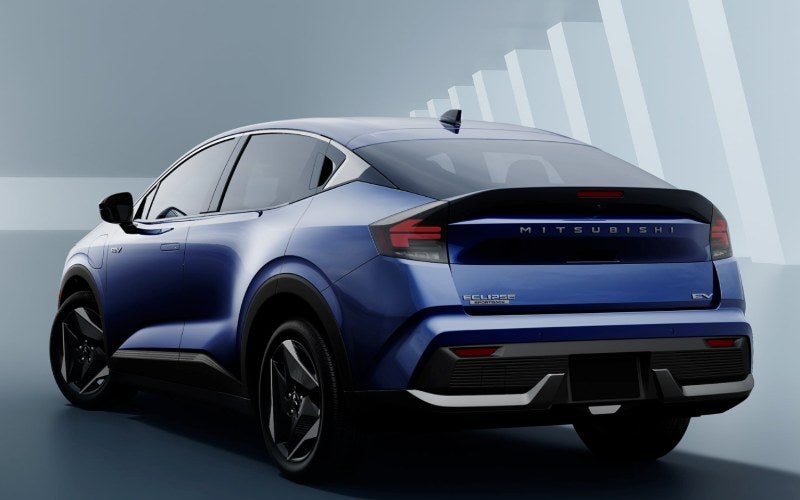
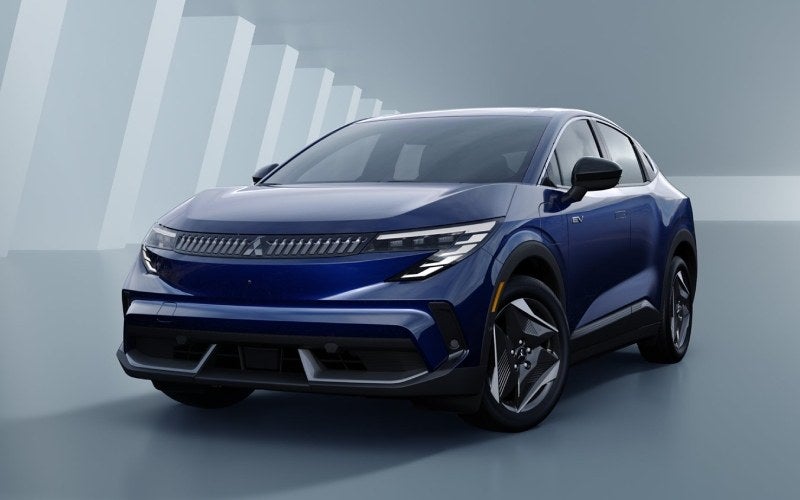
The Eclipse Sportback EV gives Mitsubishi shoppers a fully electric subcompact SUV with charging access that goes beyond a single solution. Mitsubishi states that the vehicle supports Level 1 and Level 2 charging, plus Level 3 charging through the Tesla® Supercharger network, the largest fast-charging network in North America. That combination matters because no two drivers charge in exactly the same way. Some drivers prefer charging at home overnight. Others rely on public Level 2 stations near work, shopping, restaurants, or community destinations. For longer trips, DC fast charging helps reduce downtime and makes route planning easier.
Why Charging Flexibility Matters
Charging flexibility is one of the most important factors for in-market EV shoppers because it shapes the entire ownership experience. A vehicle can have impressive performance and strong range, but if charging feels limited or inconvenient, confidence can suffer. The 2027 Mitsubishi Eclipse Sportback EV addresses this with support for common charging scenarios, giving drivers multiple ways to keep the battery ready.
- Level 1 charging: This option can use a standard household-style outlet and may be useful for light daily driving or occasional top-offs.
- Level 2 charging: This is a preferred home or public charging solution for many EV owners because it replenishes the battery more quickly than Level 1.
- Level 3 DC fast charging: This supports faster charging during longer drives or busy travel days, including access through the Tesla® Supercharger network.
For Dexter-area drivers, that flexibility can help with different weekly patterns. A commuter who drives to Ann Arbor several days per week may rely primarily on home Level 2 charging. A driver who makes occasional trips toward Detroit Metro Airport, Lansing, or northern Michigan may place more value on DC fast-charging access. Another shopper may start with Level 1 charging and later decide to install a Level 2 home setup. The Eclipse Sportback EV supports that progression without forcing a single routine.
How the Split Charge-Port Setup Helps
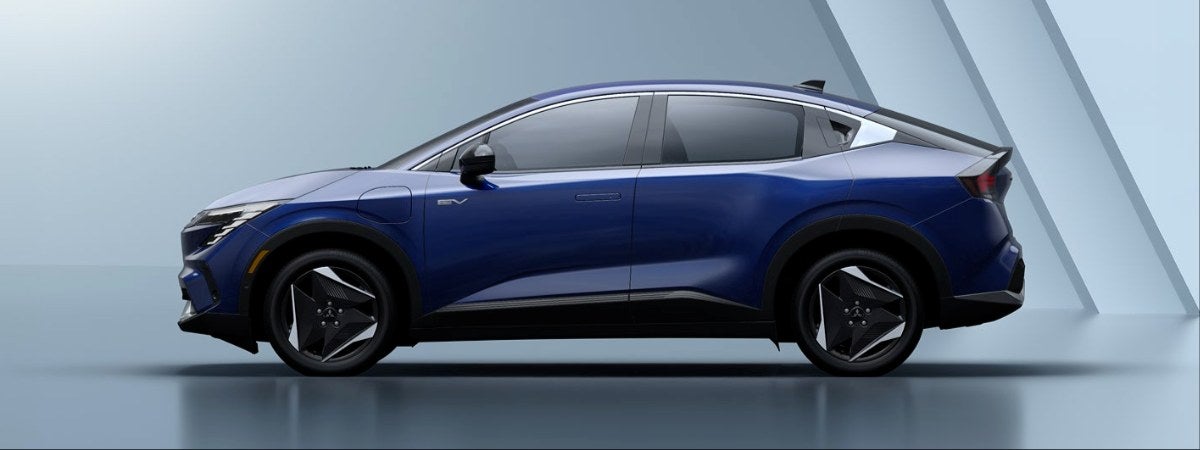
Provided content describes a split charge-port strategy for the Eclipse Sportback EV. A NACS port on the right-front fender supports DC fast charging, while a J-1772 port on the left-front fender supports Level 2 charging. This layout gives each charging type a dedicated connection point and helps make the vehicle easier to understand during daily use.
For Level 2 charging on 240-volt AC power, the onboard charger is noted as capable of 7.2 kilowatts. Provided content also states that charging from 20 to 80 percent can take roughly 6.5 hours under appropriate conditions. That makes overnight charging practical for many households. For DC fast charging, content notes a maximum of around 150 kilowatts and a 10 to 80 percent charging time of about 35 minutes under ideal circumstances. Charging speed can vary based on battery temperature, charger capability, state of charge, and other conditions, but those figures help shoppers understand the vehicle's intended convenience.
Range and Charging Work Together
The Eclipse Sportback EV is also supported by a projected 282-mile driving range, which helps reduce how often many drivers need to charge. Range is especially important for shoppers comparing an EV with a gas-powered SUV because daily charging habits can be different from stopping at a fuel station. Instead of waiting until the battery is nearly empty, many EV owners plug in when convenient, much like charging a phone.
For a Dexter, MI driver, a projected 282-mile range can cover many normal routines with room to spare. Trips to Ann Arbor, Chelsea, Saline, Brighton, or Ypsilanti may not require charging away from home at all, depending on starting battery level and driving conditions. Longer drives become easier when the navigation system and charging support are used together. Provided content notes that entering a DC fast charger into the navigation as a destination can automatically precondition the battery pack for faster charging. If navigation is not used, drivers can tell the vehicle to precondition itself. That is a helpful detail because battery preparation can improve charging performance.
Helpful Questions to Ask Before Going Electric
Before choosing an EV, shoppers should think through real driving patterns rather than focus only on maximum range. A thoughtful charging plan can make the transition from gasoline to electric driving feel smooth from the first week. The following considerations can help organize the decision.
- Daily mileage: Estimate average weekday driving and compare that number with the projected range.
- Home charging access: Decide whether a standard outlet is enough or if a Level 2 charging setup makes more sense.
- Public charging locations: Review charging stations near work, schools, shopping areas, and common travel routes.
- Fast-charging needs: Consider how often longer regional drives happen and how much DC fast charging matters.
- Charging habits: Think about whether overnight charging, occasional top-offs, or planned fast-charging stops fit best.
These questions are practical because EV ownership is often less about one big charging stop and more about building a comfortable rhythm. Many drivers charge at home most of the time and use public charging only as needed. Others without home charging may rely on workplace or public Level 2 stations. The Eclipse Sportback EV's mix of Level 1, Level 2, and Level 3 support gives shoppers options as charging needs evolve.
Technology That Supports the EV Routine
Charging confidence is not only about ports and plug types. The cabin technology also matters because drivers need clear information. Provided content notes a 14.3-inch digital instrument cluster and a second 14.3-inch touchscreen display with navigation and control functions. Standard Android Auto and Apple CarPlay help keep familiar apps and phone functions accessible. A clear digital layout can make it easier to monitor battery status, review navigation, and stay connected during the drive.
The Eclipse Sportback EV also includes comfort features that support daily use, including heated front and rear seats and a heated steering wheel. A heat pump is noted for warming or cooling the cabin, battery pack, and drive motor, which can help improve efficiency compared with less specialized climate approaches. For Michigan drivers, efficient cabin comfort is a meaningful EV benefit because climate control can influence energy use.
Frequently Asked Questions:
Can I charge the 2027 Mitsubishi Eclipse Sportback EV at home?
Yes. Mitsubishi states that the Eclipse Sportback EV supports Level 1 and Level 2 charging. Level 1 can work from a standard household-style outlet, while Level 2 charging on 240-volt AC power is typically preferred for faster home charging. Provided content also notes a portable charging cord with pigtails for both 240- and 120-volt outlets.
Does the 2027 Mitsubishi Eclipse Sportback EV work with DC fast charging?
Yes. The Eclipse Sportback EV supports Level 3 charging through the Tesla® Supercharger network. Provided content notes a NACS port for DC fast charging, with charging from 10 to 80 percent in approximately 35 minutes under ideal circumstances.
Is the projected 282-mile range enough for Dexter, MI drivers?
For many local routines, the projected 282-mile range should be practical. Daily mileage, speed, temperature, cargo load, and charging habits can affect actual range, so shoppers should compare the projection with normal commute and travel patterns.
What should I review during a test drive?
Review the displays, regenerative braking levels, e-Step function, charge-port locations, seating comfort, visibility, cargo space, and maneuverability. Asking for a charging walkthrough can also make EV ownership easier to understand.
The 2027 Mitsubishi Eclipse Sportback EV gives Dexter-area shoppers a strong reason to consider going electric because it combines projected range with charging flexibility. Level 1, Level 2, and Level 3 support allow the vehicle to fit different lifestyles, while access to the Tesla® Supercharger network adds confidence for longer travel. Add in modern digital displays, responsive EV performance, a quiet cabin, and the practical size of a subcompact sportback SUV, and the Eclipse Sportback EV becomes a smart option for drivers ready to make electric driving feel more natural.